Leave a Message

Thank you for your message. I will be in touch with you shortly.

Relocating From San Diego To Temecula Valley: What To Expect

Relocating From San Diego To Temecula Valley: What To Expect

Thinking about trading San Diego’s coastal rhythm for more space in Temecula Valley? You are not alone, and the move can feel both exciting and a little uncertain. If you are wondering how your budget, commute, home options, and daily lifestyle might change, this guide will help you compare the two markets in practical terms so you can make a confident move. Let’s dive in.

Temecula Valley at a Glance

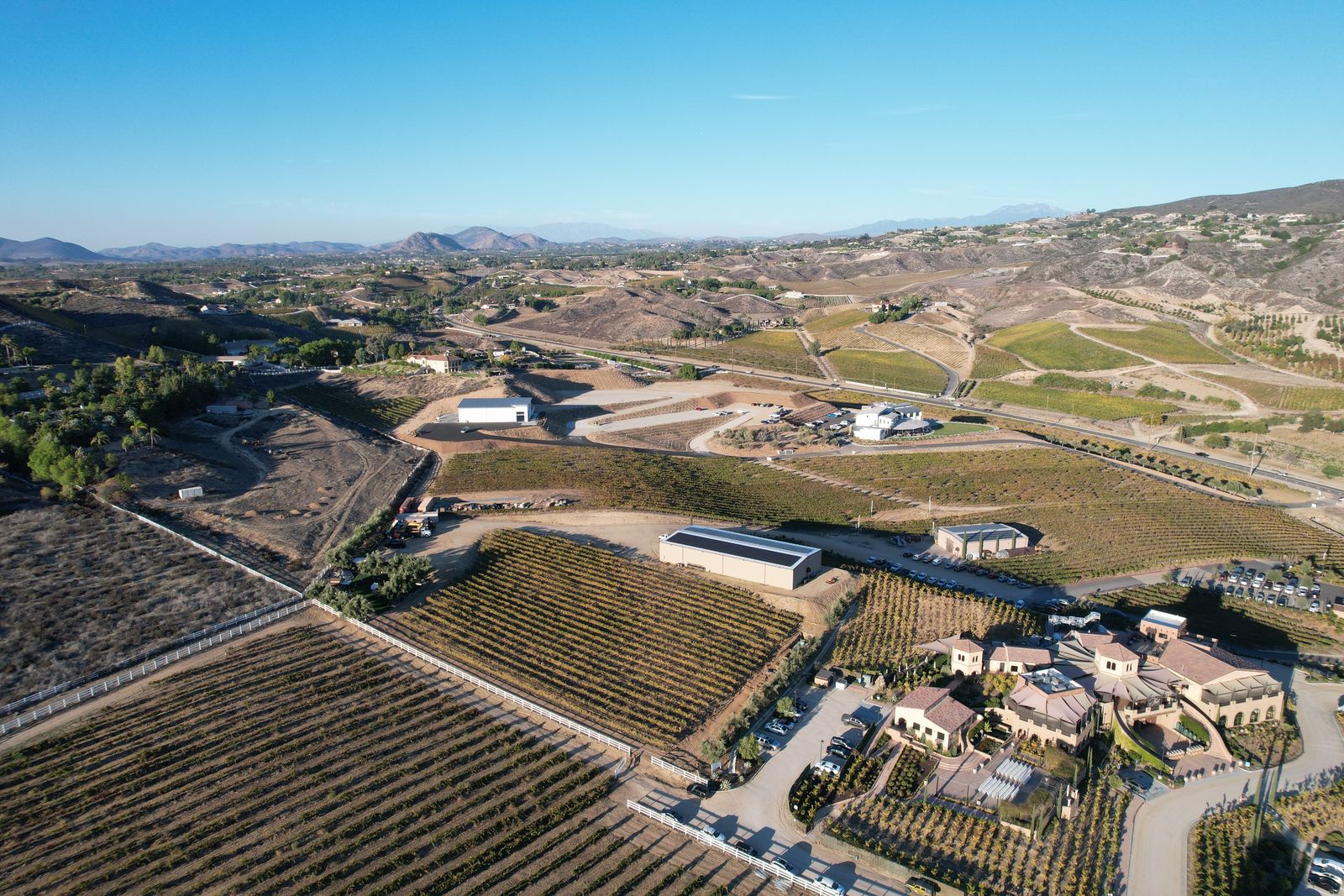
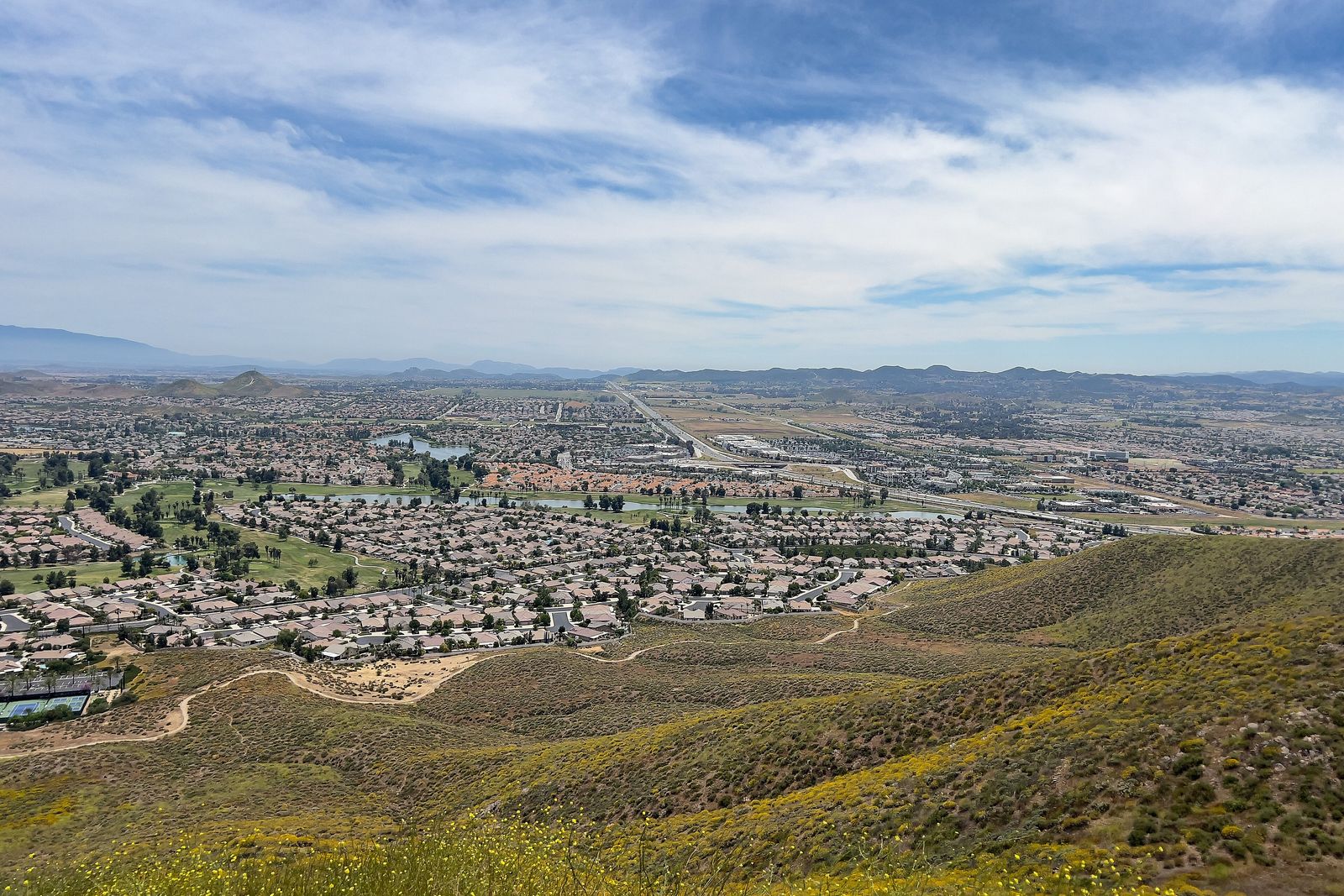
Temecula Valley offers a very different setting from San Diego. It is an inland market less than 60 miles north of San Diego, with a lifestyle often centered around neighborhoods, backyards, local amenities, and driving rather than coastal access. City and visitor resources highlight wineries, golf, hot-air ballooning, Old Town, and outdoor recreation as major draws for the area.

It is also a much smaller city. According to U.S. Census QuickFacts for Temecula, the city has about 112,431 residents, compared with about 1.4 million in San Diego. The same source shows a 68.0% owner-occupied housing rate in Temecula versus 47.3% in San Diego, which helps explain why the overall feel is often more suburban and ownership-oriented.

Housing Costs Compare Differently

If you are moving from San Diego, one of the biggest changes you may notice is what your purchase budget can buy. Census data puts the median value of owner-occupied homes at $679,700 in Temecula and $906,700 in San Diego. Redfin’s market data shows a similar gap, with median sale prices around $693,000 in Temecula and $931,500 in San Diego.

That difference matters even more when you look at price per square foot. Redfin market data for Temecula shows Temecula at about $375 per square foot, while San Diego is about $678 per square foot. In practical terms, many buyers find that moving inland gives them access to more square footage, more driveway space, and often a larger yard at a similar budget.

Renting First May Not Save Much

Some buyers plan to rent first while they learn the area. That can still be a smart move for logistics, but it may not create the dramatic savings people expect. Census QuickFacts lists median gross rent at $2,347 in Temecula and $2,313 in San Diego.

That means the biggest affordability shift usually shows up in homeownership rather than rent. If your goal is to improve value through more space or a lower purchase price, buying in Temecula may create a bigger difference than renting there first.

Home Styles and Lot Sizes Feel Different

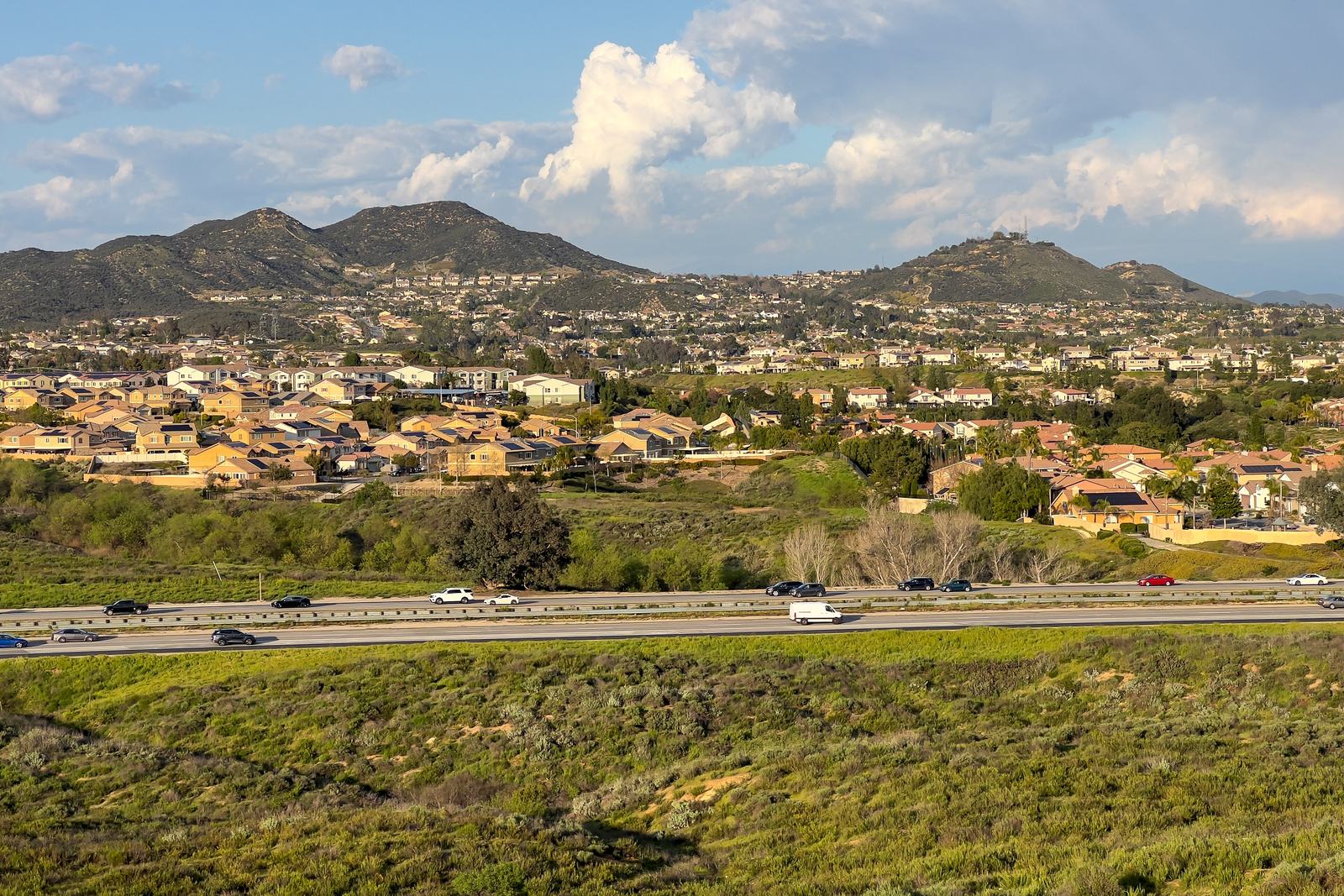
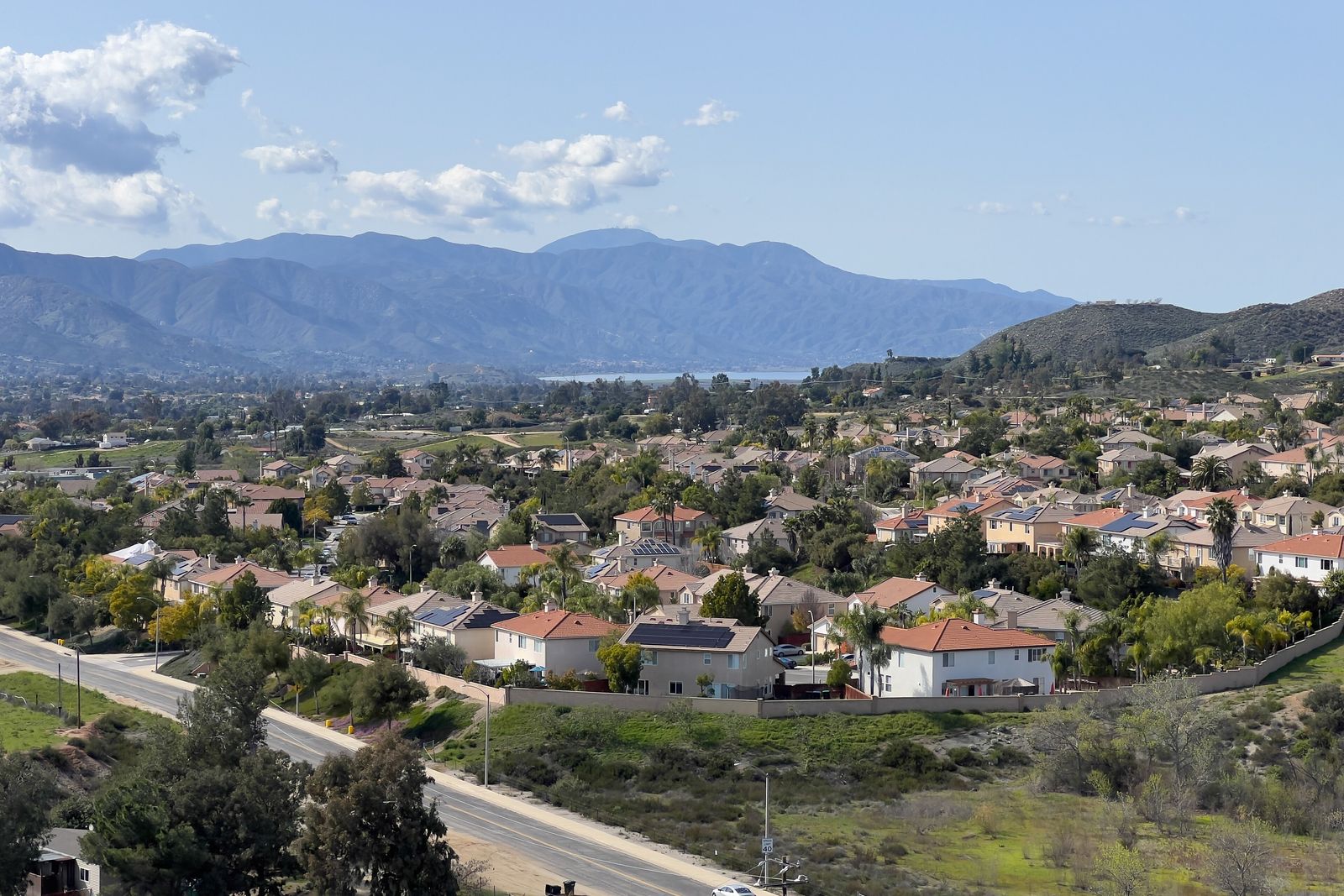
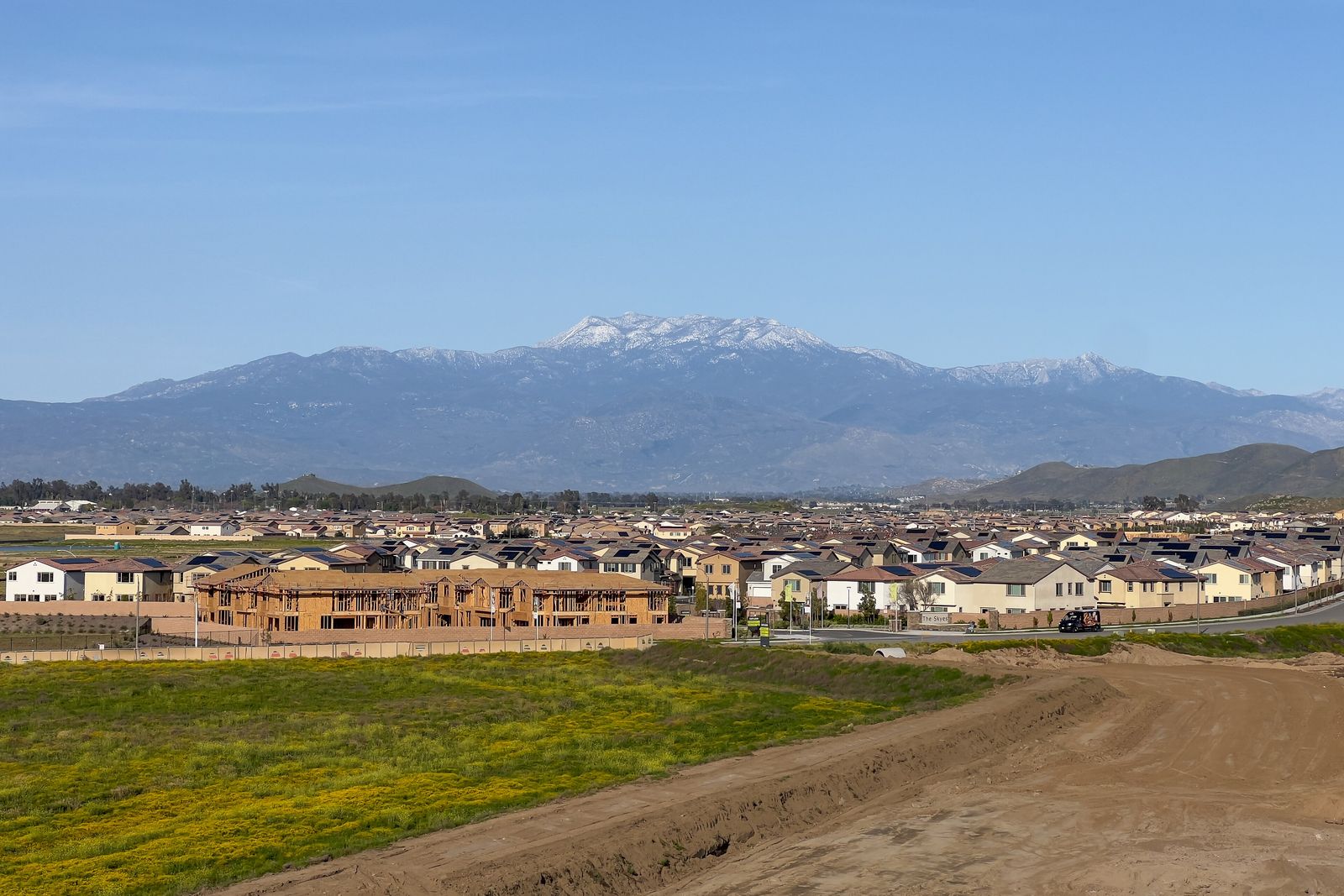
Temecula’s housing stock tends to feel newer and more suburban than many parts of San Diego. A City of Temecula housing profile states that 66% of homes were built since 2000, with a market that is largely made up of single-family homes in newer neighborhoods.

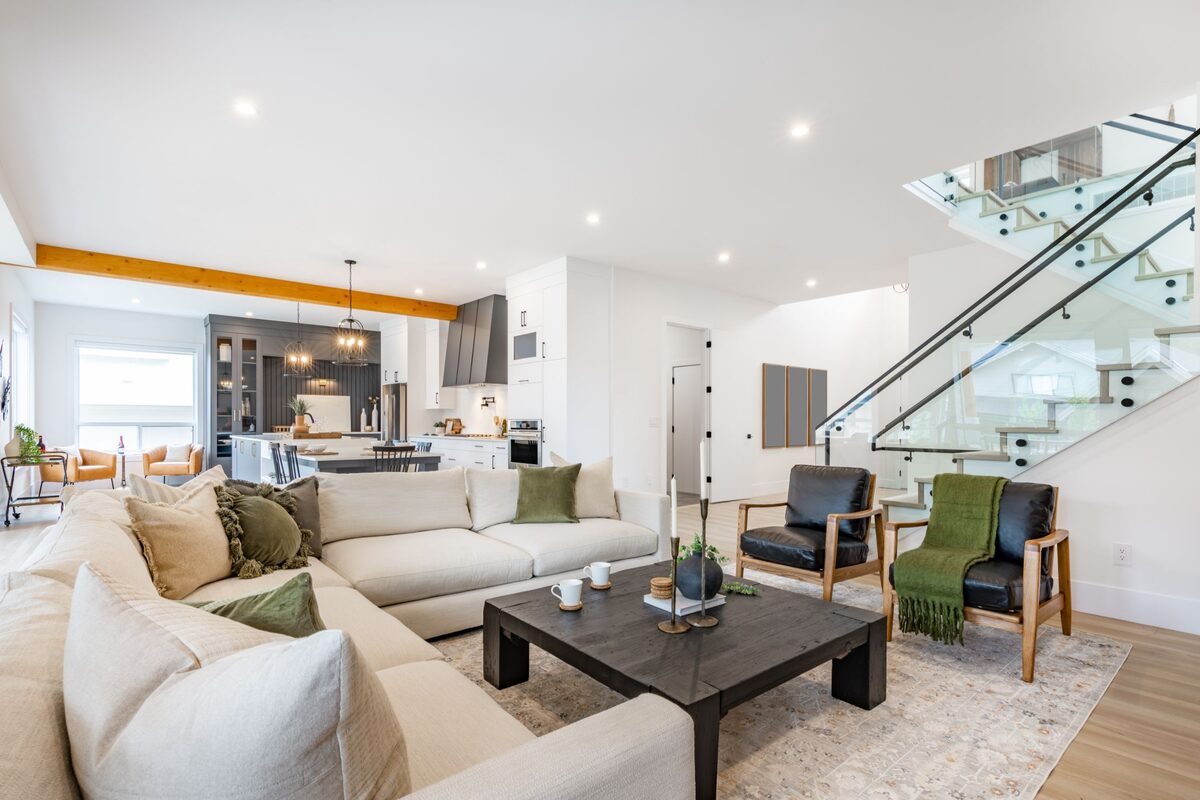
That newer inventory can appeal to buyers who want modern layouts, attached garages, and neighborhoods with a more planned feel. The city’s General Plan also outlines a wide range of residential densities, from rural areas with 5-acre minimums to lower-density neighborhoods with larger lots, plus some medium-density districts that include townhomes and apartments.

This does not mean every home comes with a huge lot, but it helps explain why buyers often expect more yard and driveway space in Temecula than they might find in coastal San Diego. If you are used to denser urban housing choices near the coast, the inland mix will likely feel more centered on detached homes and standard suburban subdivisions.

Newer Neighborhoods Are Common

If you prefer newer homes, Temecula may give you more options. The city specifically notes a large share of housing built in the last two decades, and communities like Harveston help illustrate that newer master-planned style. Harveston is described as a lake-centered community with Cape Cod-inspired architecture, which gives you a sense of the design variety you may find.

For many relocating buyers, that means less compromise on open floor plans, updated finishes, and garage or storage space. It can also mean a more neighborhood-based lifestyle than what you may be used to in San Diego.

Commute Changes Are Real

One of the biggest tradeoffs in moving from San Diego to Temecula Valley is transportation. Census data shows a mean travel time to work of 36.3 minutes in Temecula, compared with 23.5 minutes in San Diego.

Temecula city reporting also describes the area as a suburban-periphery market where many households have two or three vehicles, and longer travel times, including cross-county commuting, are part of the profile. If you currently enjoy short drives, walkable errands, or easier access to multiple job centers, you should expect more of a car-first routine in Temecula.

Daily Driving Becomes a Bigger Factor

San Diego has a more varied transportation pattern. Census data for San Diego shows 64.2% of workers drive alone, 3.0% use public transportation, 3.4% walk, and 19.2% work from home. By comparison, a move inland typically means more freeway time and more planning around your weekday routes.

That does not make the move wrong. It simply means you should think honestly about where you work, how often you commute, and how much value you place on home space versus coastal convenience.

The Buying Pace May Feel More Manageable

If you have been watching San Diego’s market, Temecula may feel a little less rushed. According to Redfin’s current Temecula housing market data, homes average about 84 days on market with 2 offers on average. In San Diego, homes average about 33 days on market with 3 offers on average.

For buyers, that can create a little more breathing room to compare homes and neighborhoods. You may have more time to evaluate layout, lot size, and location instead of making an immediate decision. Even so, well-priced homes can still attract attention, so it helps to be prepared when the right property appears.

Lifestyle Shifts From Coast to Inland

Moving to Temecula Valley is not just a housing decision. It is a lifestyle shift. While San Diego tourism materials focus on beaches and a mild coastal climate, Temecula’s visitor resources highlight wine country, outdoor recreation, and seasonal weather patterns.

You can expect warm, dry summers, cooler nights, and less ocean moderation than you get closer to the coast. Day to day, many households find that life becomes more centered on home, backyard use, driving, and local destinations rather than quick beach access.

Local Attractions Shape Daily Life

Temecula has its own identity, and that matters when you are deciding whether the move fits your goals. The city highlights Wine Country, Old Town, golf, farmers markets, and hot-air ballooning as signature parts of the area.

If you want more room at home and enjoy an inland lifestyle with local recreation nearby, that can be a strong trade. If your weekly routine revolves around the coast, ocean weather, and urban convenience, it is important to weigh what you may miss.

What You Gain and What You Give Up

Every relocation involves tradeoffs. In Temecula, many buyers gain purchasing power, newer single-family housing options, and a more ownership-focused setting. They may also gain more outdoor space and a neighborhood experience that feels quieter and less dense than San Diego.

What you often give up is some coastal convenience. Commutes may be longer, driving becomes a larger part of daily life, and the climate shifts away from San Diego’s beach-influenced weather. The right move depends on which factors matter most to you now and over the next several years.

How to Plan Your Move Smartly

If you are seriously considering a move from San Diego to Temecula Valley, a little planning can make the transition much easier.

  • Compare your current housing budget with Temecula sale prices and price per square foot
  • Decide whether you need to commute regularly or work remotely most days
  • Visit at different times of day to get a real feel for traffic and daily routines
  • Explore a mix of neighborhood types, including newer subdivisions and larger-lot areas
  • Think beyond price and focus on lifestyle, climate, and how you want to live day to day

A relocation goes more smoothly when you understand both the numbers and the rhythm of the area. That is where local guidance can make a real difference.

If you are weighing a move from San Diego to Temecula Valley, Saundra Stormer can help you compare neighborhoods, understand market timing, and make a plan that fits your goals with clear, personalized guidance.

FAQs

What is the biggest difference between San Diego and Temecula Valley?

  • The biggest difference is usually the tradeoff between coastal convenience and inland space. Temecula generally offers lower home prices, more single-family housing, and a more car-oriented suburban lifestyle.

How much cheaper are homes in Temecula than San Diego?

  • Based on the research report, Redfin shows median sale prices around $693,000 in Temecula and $931,500 in San Diego, a difference of about $238,500.

Is renting in Temecula much cheaper than renting in San Diego?

  • No. Census data in the research report shows median gross rent at $2,347 in Temecula and $2,313 in San Diego, so rental savings may be limited.

Do homes in Temecula stay on the market longer than homes in San Diego?

  • Yes. Redfin data in the research report shows homes averaging about 84 days on market in Temecula compared with about 33 days in San Diego.

What kind of homes are common in Temecula Valley?

  • Temecula is largely made up of single-family homes, many in newer neighborhoods, with a mix that ranges from standard suburban subdivisions to some larger-lot and rural residential areas.

What should San Diego buyers expect from a Temecula commute?

  • You should expect a more car-first routine and, on average, longer travel times. The research report cites a mean travel time to work of 36.3 minutes in Temecula versus 23.5 minutes in San Diego.

Work With Stormer

Whether you are thinking of transitioning to a new home now or in five years, it is never too early to come up with a game plan. Let's meet to determine how I can best support you on your journey.

Follow Me on Instagram