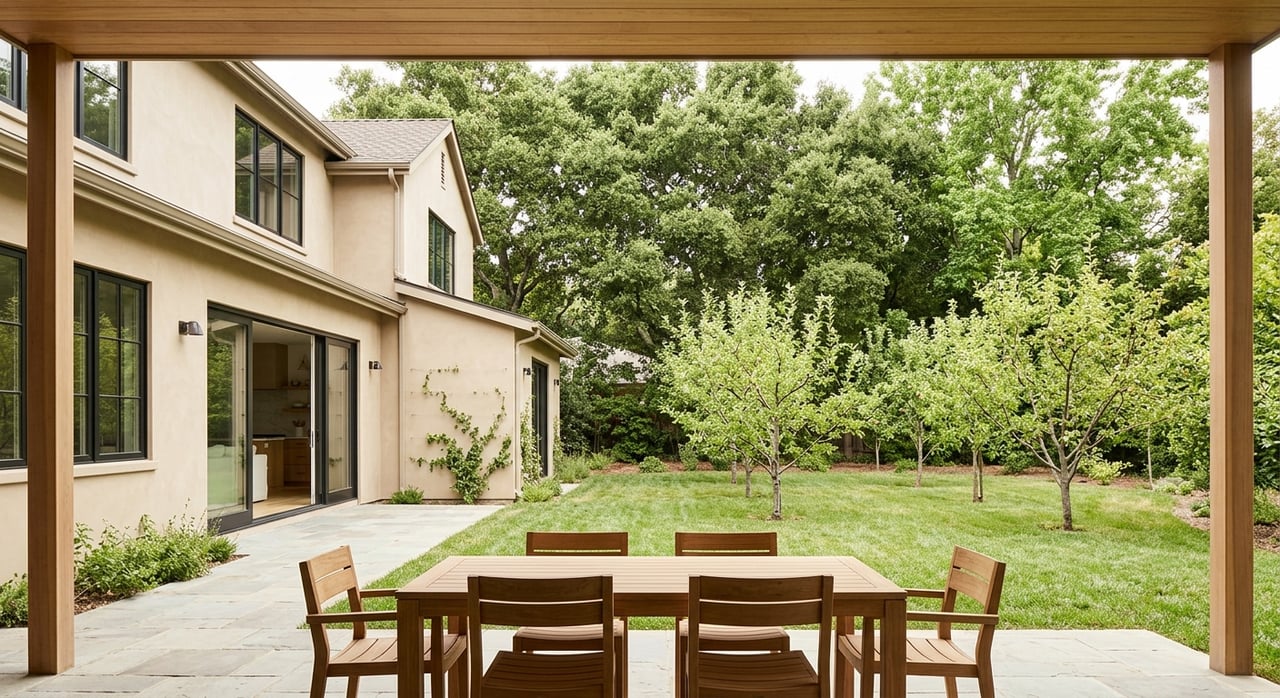
Wondering why selling a Fallbrook home with land can feel so different from selling a typical house? In Fallbrook, buyers are often looking at much more than square footage and finishes. They are also sizing up usable acreage, water access, road conditions, fire readiness, and what it will take to maintain the property. If you want a smoother sale and a stronger value story, it helps to plan for those details early. Let’s dive in.
Why Fallbrook land homes need a different plan
Fallbrook has a distinct rural character shaped by rolling hills, orchards, river corridors, and varied topography across a large community area. That setting is part of the appeal, but it also means properties with land are not always easy to compare to standard neighborhood homes.
In recent market snapshots, typical Fallbrook home values have landed in the high-$800,000s to mid-$900,000s, with homes going pending in about 27 to 31 days. Those figures are useful as broad market context, but they do not automatically tell you what a land-heavy property is worth. With acreage homes, the details behind the land often matter just as much as the house itself.
Start with usable land
One of the biggest pricing factors is usable acreage, not just total acreage on paper. A parcel may sound large, but buyers will want to know how much of that land is flat enough, accessible enough, and practical enough for everyday use.
If part of the property is steep, rugged, or hard to reach, that can affect how buyers see its value. Before you list, it helps to identify which areas are truly usable and which are natural open space. That clarity can shape pricing, marketing, and buyer expectations from the start.
Confirm boundaries and maps
Buyers of rural and semi-rural property often ask more questions about boundaries than buyers in a typical subdivision. If you have surveys, parcel maps, easement information, or other records that help define the property, gather them early.
This step can help reduce confusion during showings and escrow. It also makes it easier to explain how the land functions as part of the overall property package.
Clarify access rights
Access matters more on acreage properties than many sellers expect. Buyers may want to understand where the main approach is, whether there are recorded easements, and how easy it is to get vehicles, equipment, or service providers onto the property.
In Fallbrook, driveway and road access can also tie into fire safety standards. That makes access both a practical and a value-related issue.
Get ahead of water questions
Water is often a major talking point when a home includes land, orchards, gardens, or other agricultural use. In the Fallbrook area, Fallbrook Public Utility District serves about 35,000 people over a 28,000-acre service area and provides both water and recycled water to surrounding residential and agricultural areas.
If your property uses district water for both residential and agricultural purposes, buyers may want to understand how that setup works. FPUD states that properties with both a house and agriculture are billed as Agriculture Domestic, with domestic rates for the first five billing units and agricultural rates above that level.
Organize irrigation records
If you have irrigation plans, maintenance notes, or service history, keep those records handy. Even when buyers do not ask for them immediately, organized information can make the property feel more transparent and well cared for.
This matters even more if the land includes orchards, garden beds, or planted areas that depend on regular watering. Buyers are often trying to estimate both opportunity and ongoing upkeep.
Know what applies to wells and septic
FPUD notes that it does not regulate wells or septic tanks. In San Diego County, septic systems fall under county jurisdiction, and the county also regulates water wells, including permits for construction, modification, reconstruction, and destruction.
If your property has a septic system or well, it is smart to gather whatever records you have before listing. Septic records in the county are maintained by APN for systems installed since the late 1970s, and buyers may ask for documentation during due diligence.
Prepare for fire safety and disclosure needs
Fire readiness is not a side issue for many Fallbrook properties. It is often part of the buyer’s first impression and the seller’s disclosure prep.
California Civil Code 1102.19 requires sellers of property located in a high or very high fire hazard severity zone to provide documentation showing compliance with Public Resources Code 4291 or local vegetation management rules. If that documentation is not available, buyer and seller must enter a written agreement to obtain it.
Review defensible space
County fire guidance generally describes defensible space as clearing combustible vegetation within 100 feet of structures. If you have a home with land, this is worth reviewing before photos, showings, and inspections begin.
A well-maintained defensible space area can help the property show better and reduce last-minute stress. It also signals that you have taken the responsibilities of a rural property seriously.
Check road and driveway standards
County fire materials also include minimum standards for fire apparatus access roads, such as width, vertical clearance, slope, and, in some cases, improved surfacing. You may not need to make major changes before listing, but you should understand how your access features compare.
This is especially important if the driveway is long, narrow, sloped, or shared. Buyers may notice these features quickly, and being ready with accurate information helps keep the conversation grounded.
Present the property as a full package
A Fallbrook land listing should be marketed as both a home and a land-use package. Buyers are evaluating the residence, but they are also imagining how they would use, maintain, and enjoy the extra space.
That means your presentation should tell one consistent story. Pricing, photos, showings, and disclosures should all support the same message about what the property offers and how it functions.
Stage beyond the house
Staging is not only about the living room and kitchen. The National Association of Realtors describes staging as cleaning, decluttering, repairing, depersonalizing, and updating a property, and its 2025 report found that 83% of buyers’ agents said staging made it easier for buyers to visualize a property as their future home.
For a home with land, that same principle applies outside. Barns, sheds, patios, garden spaces, animal areas, and work zones should feel clean, purposeful, and ready to photograph.
Show the land clearly in photos
Most buyers start online, so your photo set needs to explain the property at a glance. With acreage listings, interior images alone are not enough.
The photography should help buyers understand the entry drive, home site, flat usable areas, fences, orchard rows or garden beds, outbuildings, and where maintained land transitions into natural space. High-resolution photography matters, but so does accuracy.
Avoid misleading edits
When land is part of the listing, aerials and edited images can be helpful, but they should not overstate the size, usability, or condition of the property. NAR notes that photo enhancements that materially alter a property should be disclosed.
A clean, honest presentation builds trust. It also attracts buyers who are better aligned with what the property truly offers.
Expect agriculture to be part of the conversation
Agricultural context is part of everyday life in Fallbrook. The county describes the area as strongly tied to orchards and agriculture, so buyers may ask questions about neighboring groves, seasonal activity, equipment noise, or farming operations nearby.
California’s right-to-farm statute protects qualifying commercial agricultural activity from nuisance claims after it has been in operation for more than three years. In practical terms, that means nearby agricultural activity may be a normal part of the setting rather than an unexpected issue.
Build a smart pre-listing checklist
If you are selling a Fallbrook home with land, planning ahead can make the process more efficient and less stressful. A strong pre-listing checklist helps you organize the details buyers care about most.
Consider preparing the following before you go live:
- Identify how much of the acreage is actually usable
- Gather surveys, parcel maps, and easement information
- Organize water, irrigation, septic, and well records
- Review defensible-space compliance and vegetation management
- Clean and prepare sheds, patios, barns, garden areas, and other exterior features
- Note access details such as gates, driveways, and road approach
- Be ready to explain how the land is currently used
Why the right strategy matters
Selling a property with land usually requires more than a standard list price and a few good interior photos. The strongest results often come from a strategy that accounts for how buyers really evaluate acreage properties in Fallbrook.
That includes a pricing approach tied to usable land and property function, polished presentation that highlights the full setting, and thoughtful preparation for disclosures and due diligence. When those pieces are aligned, your home can stand out for the right reasons.
If you are thinking about selling and want a plan tailored to your property, Saundra Stormer can help you position your Fallbrook home with land thoughtfully, clearly, and with the high-touch guidance that makes a complex sale feel manageable.
FAQs
What affects the value of a Fallbrook home with land?
- The biggest factors often include usable acreage, topography, boundaries, access, water source, irrigation setup, fire readiness, and the condition of improvements such as orchards, sheds, or other outbuildings.
What records should you gather before selling a Fallbrook acreage property?
- It helps to collect parcel maps, surveys, easement documents, water and irrigation information, and any available septic or well records before listing.
What fire safety issues matter when selling a Fallbrook property with land?
- Defensible space, vegetation management, and driveway or road access can be important, especially if the property is in a high or very high fire hazard severity zone.
What should photos show for a Fallbrook home with acreage?
- Your listing photos should show both the house and the land, including the entry drive, usable areas, fences, planted areas, outbuildings, and the overall layout of the property.
Why do buyers ask so many questions about usable land in Fallbrook?
- On rural and semi-rural properties, buyers want to understand how much of the acreage is practical for daily use, maintenance, access, or agricultural activity, not just the total lot size.