Thinking about trading up to a larger home in Corona but worried about juggling two transactions at once? You are not alone. Many local homeowners want more space, a different neighborhood, or a shorter commute, yet feel stuck between selling and buying. In this guide, you will learn practical, low-stress ways to time your sale and purchase, what the Corona market looks like right now, and how to prepare your home so you maximize value. Let’s dive in.
Corona market snapshot in 2026
Recent aggregator snapshots put Corona’s typical home value around the mid to high 700s, with median sale prices often landing in a similar band. Days on market vary by source, ranging from about four to nine weeks, and many homes still sell near list price. These mixed metrics point to a balanced environment where strategy and neighborhood selection matter.
Supply has risen from the ultra-tight years of 2020 to 2022. Higher medians and faster movement tend to show up in popular subdivisions like South Corona, Eagle Glen, and The Retreat. More price-sensitive pockets closer to downtown often see longer marketing times. In the broader Inland Empire, sales counts have been a bit softer than coastal Orange County, and pricing movement has been mixed, which you can see in the latest Inland Empire housing data report.
What this means for you: expect pricing and timing to depend on your specific neighborhood and price tier. A strong plan, plus clean presentation, will help you capture demand where it exists.
Choose your sell-buy path
There are four common ways to move up. Each has tradeoffs. Your goal is to pick the path that fits your equity, financing, timeline, and stress tolerance.
Sell first, then buy
Selling first means you list and close on your current Corona home before you commit to a replacement.
- Pros: you have proven funds for the down payment, no need to carry two mortgages, and a simpler loan approval on the next home.
- Cons: you may need short-term housing and storage while you shop.
- Best when: you need your sale proceeds to qualify or your target area has decent inventory. For step-by-step tactics, review this practical overview on buying while selling.
Buy first with bridge financing or a HELOC
Buying first lets you secure the next home before your current one closes. You can use a bridge loan or a home equity line of credit for your down payment.
- Bridge loans: These short-term loans help you tap equity before you sell. Offers vary by lender, so compare term sheets and repayment triggers. For a clear primer, see Chase’s explanation of bridge loans. Some lenders also market formal buy-before-you-sell programs, highlighted in industry coverage like this report on new bridge offerings.
- HELOCs: Often lower upfront costs than third-party bridge products, but they carry variable rates and use your home as collateral. Review consumer guidance on HELOCs in this CFPB information booklet and discuss underwriting with your lender if you will hold two loans temporarily.
- Pros: stronger offers with fewer contingencies, and you may avoid moving twice.
- Cons: higher carrying costs and more complex qualification.
- Best when: you have strong income and reserves, or you must be highly competitive to win a specific property.
Make your purchase contingent on selling
A sale contingency ties your purchase to the successful sale of your current home. Some contracts include a kick-out clause that lets the seller consider other offers.
- Pros: protects your funds if your home does not sell on time.
- Cons: weaker in hot micro-markets, since many sellers prefer non-contingent offers.
- How to strengthen it: list your current home before writing, share a pre-listing inspection, and consider a larger earnest-money deposit. See more tactics in this contingency overview.
Sell, then use a rent-back
A short-term rent-back lets you stay in your home for a set period after closing.
- Pros: no double move, and time to close on your replacement.
- Cons: may affect price or require seller-paid rent, and requires clear possession terms in writing.
- Best when: the buyer is flexible and you need a few extra weeks to complete your purchase. The guide above covers rent-back structures and safeguards.
How to choose in Corona
Start with a scenario model. Your agent should prepare a comparative market analysis for your neighborhood, then plug in likely timelines and costs. Include:
- Your net proceeds at different price points.
- Carrying costs for 30, 60, and 90 days if you buy first.
- Estimated bridge or HELOC interest and fees if you use short-term financing.
- Odds of a rent-back based on recent local contracts.
If your equity is essential for your down payment or your debt-to-income is tight, you will usually lean to sell first or to use a closely managed bridge. If you have ample cash or strong borrowing power, buy first can reduce logistics, though it can cost more. In tighter micro-markets like South Corona and The Retreat, contingent offers may struggle. In slower pockets, contingencies can be acceptable when supported by a ready-to-list home and strong documentation.
Prepare your Corona home for a top-dollar sale
A clean, move-in ready feel drives showings and faster offers across Corona’s price points. Focus on impact.
1) Start with a consult and a CMA
Invite a local agent to tour your home and provide a neighborhood-specific CMA. Ask which repairs deliver the best return for your price tier. The goal is a 30 to 45 day game plan that targets the highest-visibility updates first.
2) Order a pre-listing inspection and pull HOA docs
A pre-list inspection helps you fix or disclose issues before buyers find them. If your home is in an HOA, request documents early to avoid delays. Having these items ready can make a contingent buyer or a tight timeline more workable.
3) Make high-impact, budget-friendly updates
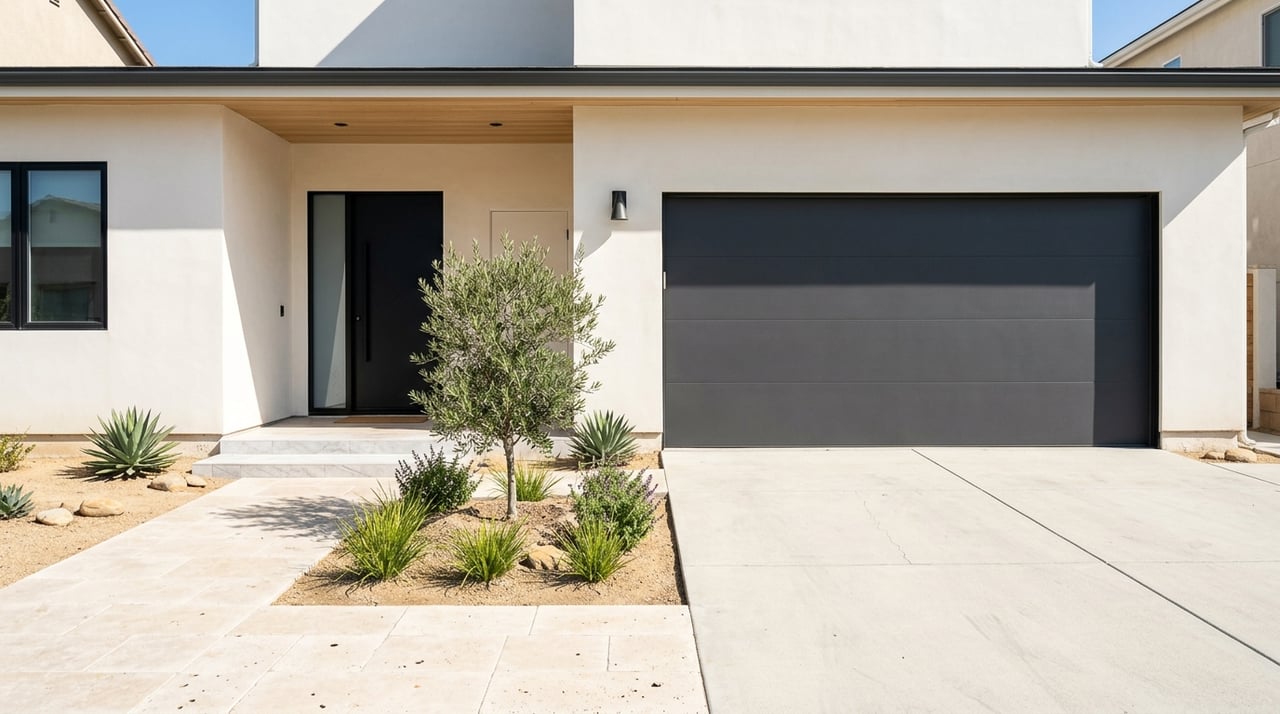
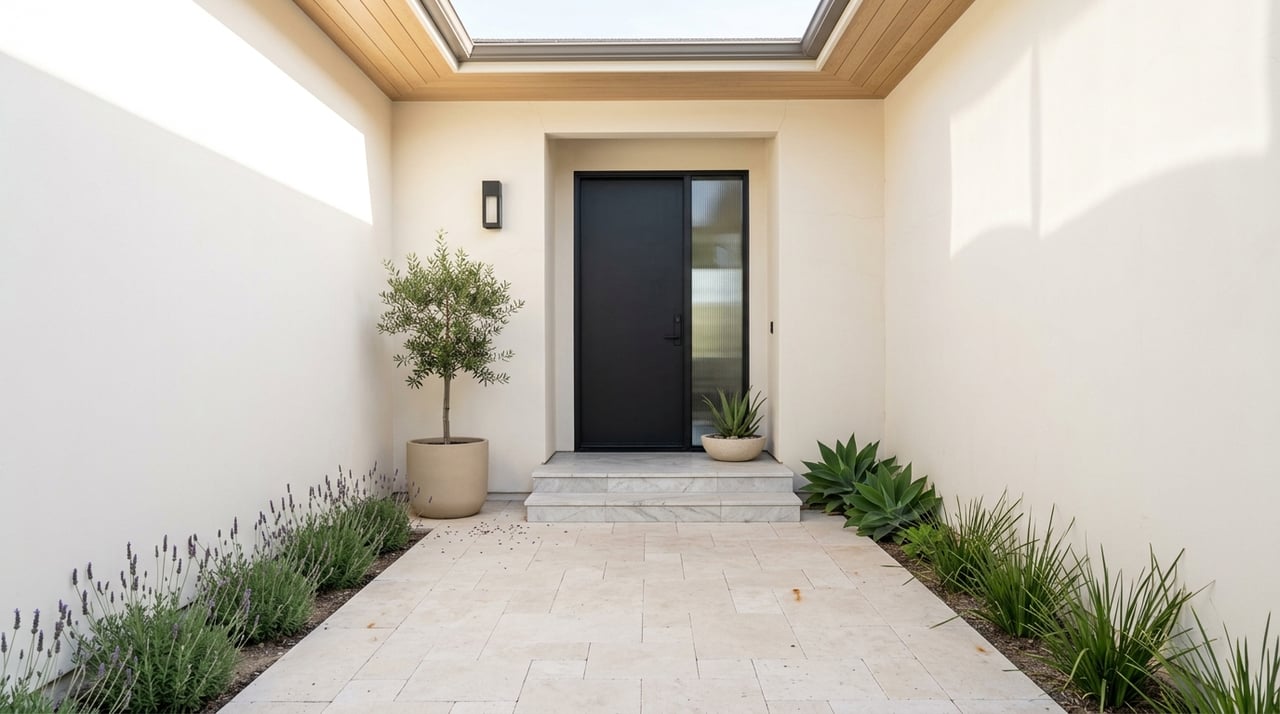
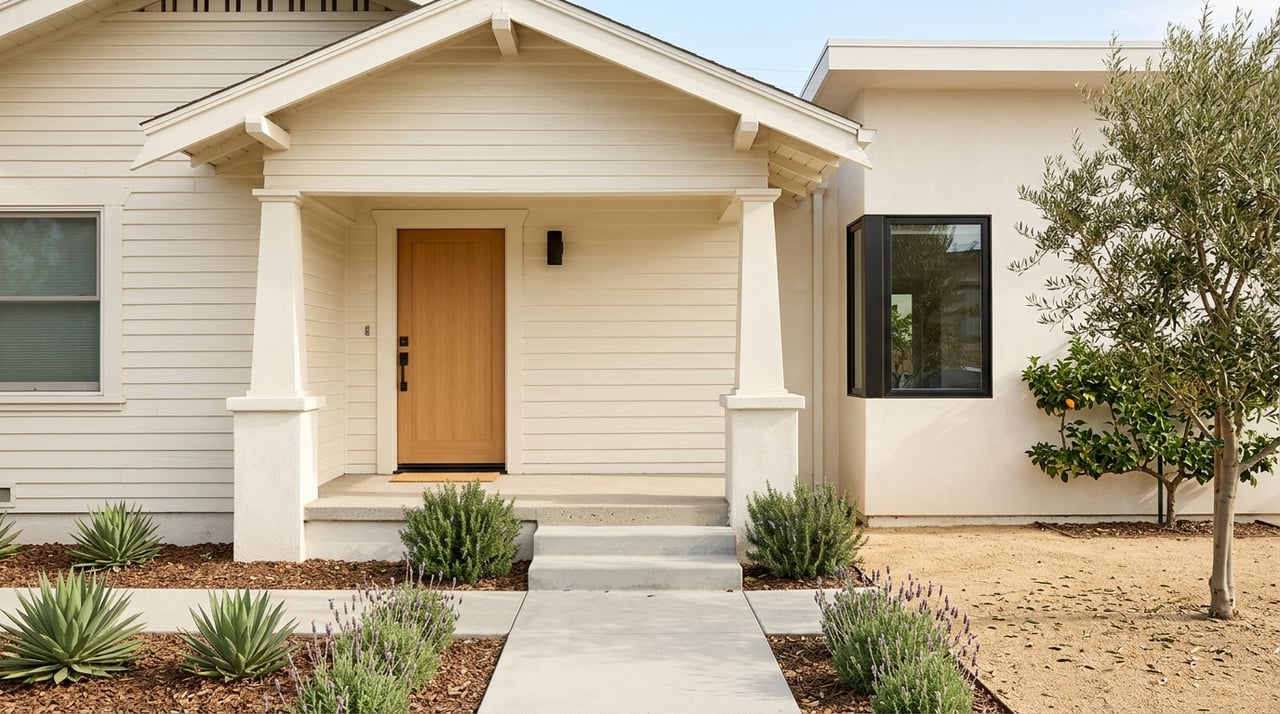
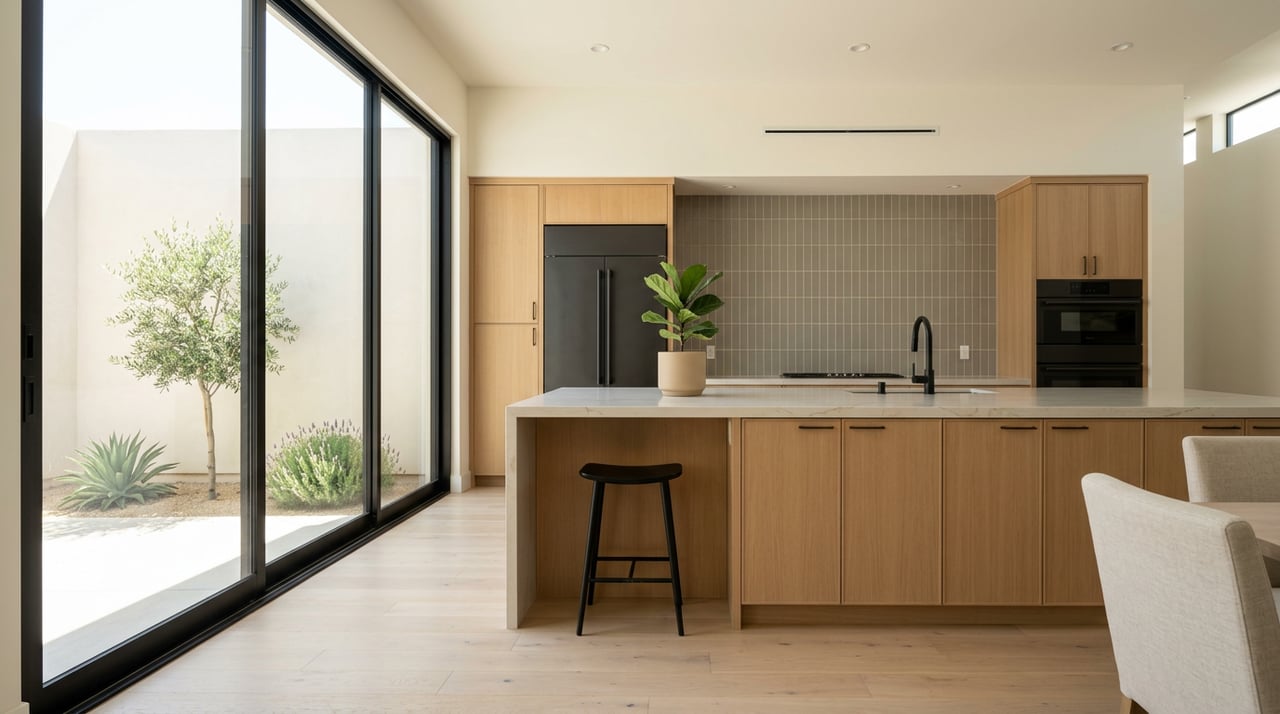
Fresh neutral paint, deep cleaning, small bath or kitchen refreshes, and simple front yard upgrades often offer the best return. Replace tired light fixtures and hardware, tidy landscaping, and remove bulky furniture to open up sightlines. Aim for a bright, well-cared-for look that photographs well.
4) Stage and showcase with pro visuals
According to the National Association of REALTORS, many agents report that staging shortens time on market and can lift offers. Review the highlights in the 2025 Profile of Home Staging and weigh the cost of staging against an extra month or two of carrying costs. Pair staging with professional photography and a floor plan for maximum online impact.
ADUs, permits, and buyer appeal
If you have an accessory dwelling unit or are thinking about adding one, coordinate early with the City of Corona’s Building Division. Permit flow and approvals can affect value and buyer interest. You can find local guidance on the City of Corona Building Division page.
Know your costs, taxes, and paperwork
Every move-up plan must include a clear budget. Build your net sheet with your agent and escrow officer so there are no surprises.
- Agent commissions: survey snapshots place the California average around the mid 5 percent range, near 5.4 percent, but rates are negotiable and services vary. Ask for a written proposal that outlines fees and marketing.
- Riverside County documentary transfer tax: the county rate is approximately 0.11 percent of the sale price, which equals $0.55 per $500. On a $750,000 sale, that is about $825. Confirm exact amounts with escrow. See county guidance on documentary transfer tax.
- Other closing costs: budget for escrow and title fees, prorated property taxes, HOA statements or payoff items if applicable, and any negotiated buyer credits.
Tax items to review with a professional:
- Capital gains exclusion: many homeowners can exclude up to $250,000 in gain if single or $500,000 if married filing jointly, subject to IRS use and ownership tests. Speak with your CPA about your eligibility.
- Prop 19 base-year transfer: if you are 55 or older, severely disabled, or meet other criteria, you may be able to transfer your property tax base to a replacement home in California. Review the Prop 19 FAQ and confirm forms and deadlines with the county before you list.
Smart timing and coordination
Timing is the heart of a stress-free move-up. Here is a practical sequence that works well in Corona.
- 3+ months before listing: meet your listing agent for a CMA, vendor referrals, and a timeline. Talk with a lender about your purchasing power and whether bridge or HELOC options fit your goals. If you plan to track mortgage rate trends, follow the weekly Freddie Mac Primary Mortgage Market Survey.
- 4 to 8 weeks before listing: complete repairs, finalize staging, order a pre-list inspection, and pull HOA and title items. Prepare your disclosures and consider a natural hazard report.
- Listing week: launch with professional photos, a compelling description, and an open house plan. Discuss offer terms in advance so you know when to ask for a rent-back or how to evaluate a contingent buyer.
- Offer to closing: get possession dates, contingency deadlines, and kick-out clauses in writing. If you are using bridge financing, secure written term sheets and repayment triggers before making the purchase contract binding.
Quick move-up checklist
- Get pre-approved and review a buy-first vs sell-first model.
- Request a detailed CMA and net sheet for your Corona neighborhood.
- Schedule a pre-listing inspection and pull HOA docs early.
- Get written quotes for staging, repairs, and short-term financing.
- Decide on your strategy: sell-first, buy-first with bridge or HELOC, contingency, or rent-back.
- Align possession dates and disclosures before you accept an offer.
- Keep backup plans for temporary housing and storage if timelines shift.
Ready to talk through your options and build a tailored plan for your Corona move-up? With 25+ years of experience and 450-plus successful closings, Saundra Stormer can help you price, present, and time the two sides of your transaction with confidence.
FAQs
How long does it take to sell a home in Corona in 2026?
- Recent reports show a wide range, roughly four to nine weeks on market, with timing driven by neighborhood, price tier, and presentation.
What is the Riverside County transfer tax when I sell?
- Riverside County’s documentary transfer tax is about 0.11 percent of the sale price, which equals $0.55 per $500. Escrow will calculate the exact amount.
Is buying first or selling first better in Corona right now?
- It depends on your equity, debt-to-income, and target neighborhood. If you need sale proceeds to qualify, selling first or using a bridge may fit. If you must be highly competitive, buying first can help but costs more.
Can I make my purchase contingent on selling my current home?
- Yes, but contingent offers can be weaker in hot micro-markets. You can improve your odds by listing first, sharing a pre-list inspection, and offering a solid earnest-money deposit.
Are rent-backs common in Corona moves?
- Yes, short-term rent-backs are frequently used to give sellers time to close on their replacement, as long as terms and possession dates are clear in writing.
Will staging my home in Corona really help?
- Many agents report that staging shortens time on market and may lift offers. Review NAR’s staging report and weigh staging cost against potential carrying costs.