Are you torn between the charm of an older Hemet home and the ease of a newer build? You are not alone. In a city with housing from several different eras, it is common to compare a bungalow with vintage details, a ranch-style home from the 1960s or 1970s, and a newer tract home all in the same search. This guide will help you understand how Hemet home styles differ, what tradeoffs to expect, and how to decide which type of property fits your goals best. Let’s dive in.
Why Hemet Offers So Many Home Styles
Hemet has a wide mix of housing ages and styles, which gives buyers more choices than you might expect. The city has 35,479 housing units, with single-unit structures making up 57% of the housing stock and owner-occupied homes accounting for 64%.
A big reason for that variety is Hemet’s growth over time. The city began as a late-19th-century town, then changed significantly in the early 1960s with Sierra Dawn and later retirement housing. Today, that history shows up in the housing market, where you may see prewar homes, postwar homes, and early-2000s neighborhoods within the same city.
The city’s housing-age data also tells the story clearly. The largest age groups are homes built in 1970 to 1979 at 25.7%, 1980 to 1989 at 22.3%, and 2000 to 2009 at 20.4%. Homes built in 1960 to 1969 make up another 11.0%, while only 2.5% of units were built in 2010 or later.
Vintage Hemet Homes
What vintage homes look like
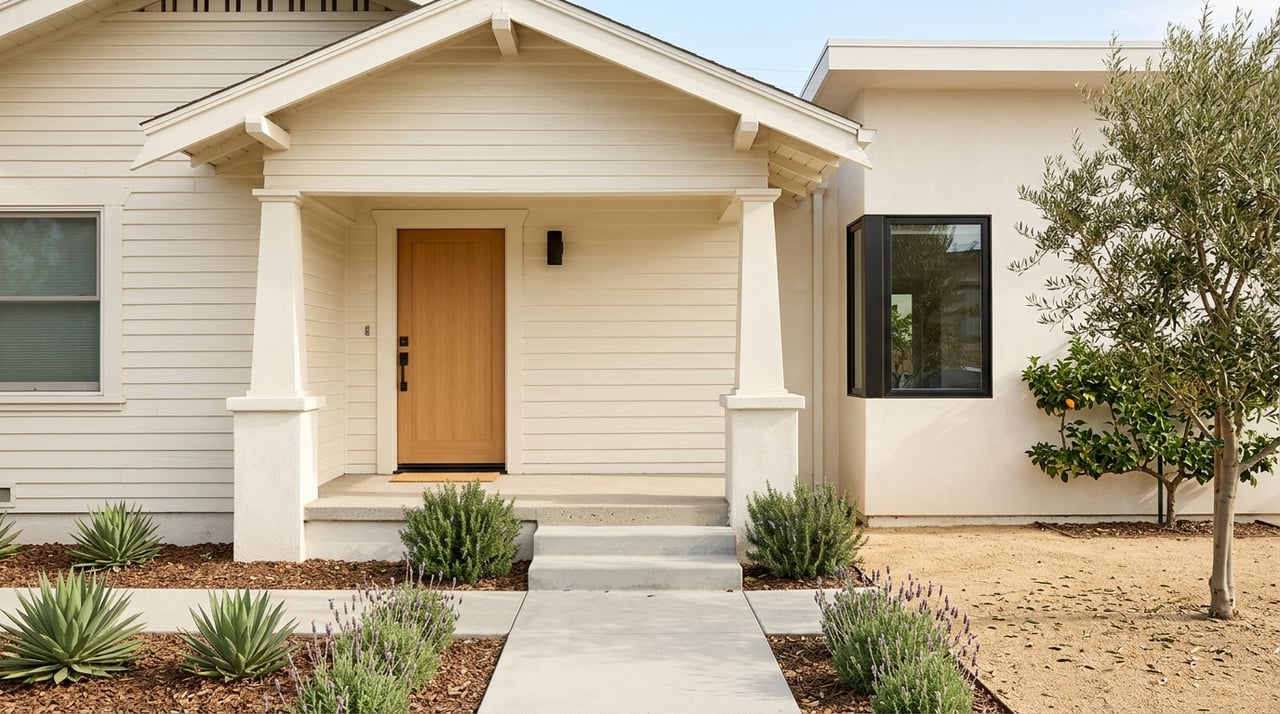
In Hemet, the most common historic house types are Craftsman Bungalows and vernacular bungalows. These homes often feature low-pitched gabled roofs, wide eaves, exposed rafters or beams, and deep porches.
You are most likely to notice these homes in older infill areas, especially near downtown, where many historic structures remain. City planning documents note that new buildings in these areas should respect the existing scale and visual image, which helps preserve the older feel of these blocks.
Why buyers love them
The biggest draw of a vintage home is usually character. These homes often have more variation from one property to the next, which can make your search feel more personal and less cookie-cutter.
If you value architectural detail, mature streetscapes, or a home that feels distinct, a bungalow-style property may stand out. Deep porches and visible craftsmanship also create a look that many buyers find warm and welcoming.
What to watch for
Older homes can come with more repair exposure. Based on Hemet’s housing element, homes older than 30 years may need major rehabilitation such as roof, foundation, or plumbing work.
That does not mean every vintage home has major issues. It does mean you should expect the possibility of aging systems, past remodels completed in different eras, and maintenance needs that may be less common in newer homes.
Mid-Century And Ranch-Era Homes
What makes them different
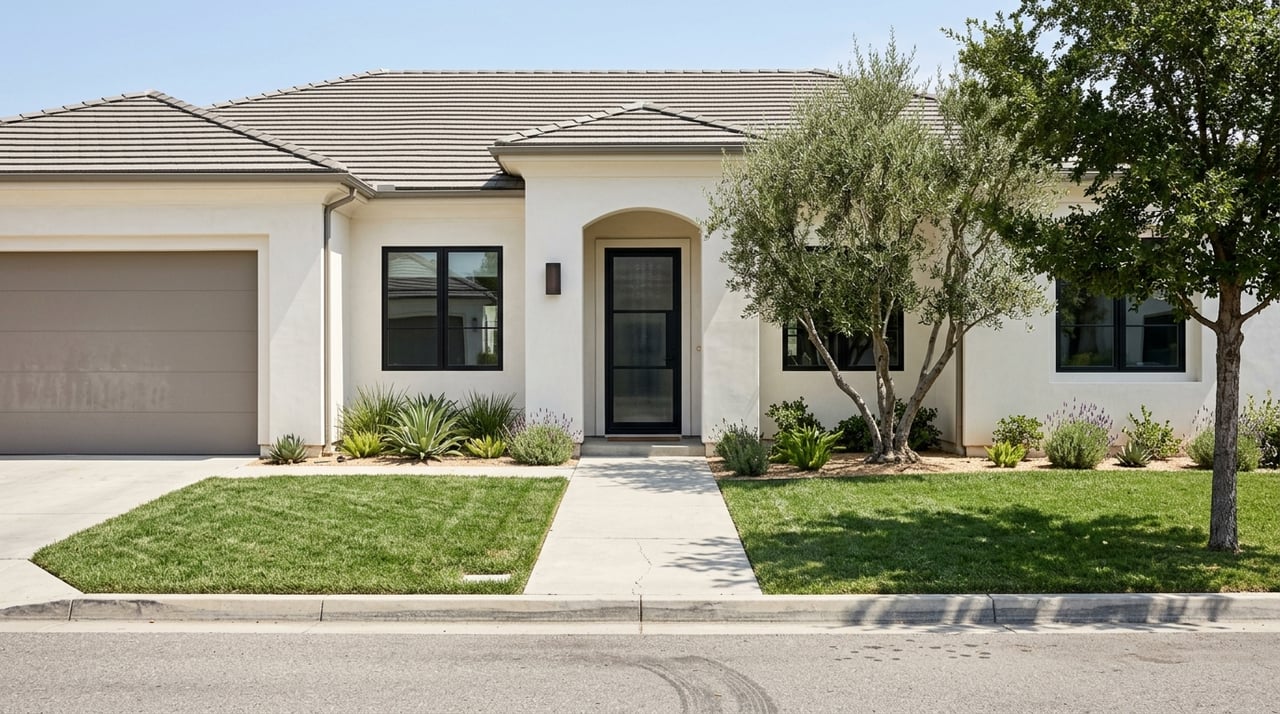
Hemet’s ranch-era homes often offer a middle ground between early bungalows and newer subdivisions. California Ranch style homes are described in city materials as one- and two-story volumes with hip and gable roofs, moderate to broad eaves, large glass areas, sheltered porches, corner windows, patios, and a stronger indoor-outdoor connection.
In simple terms, these homes often feel broader and more open than early bungalows. If you like period style but want a layout that feels a bit more practical for modern daily life, this era may be worth a close look.
Why many buyers find balance here
Mid-century and ranch-style homes can offer personality without always feeling as delicate or specialized as a historic property. They may give you more openness, more patio connection, and a floor plan that feels easier to adapt.
For many buyers in Hemet, this housing type hits a sweet spot. You may get a home with some architectural identity while still staying in the city’s most common age ranges.
What to keep in mind
These homes are still older properties, so age-related maintenance should remain part of your budget planning. Because many of Hemet’s homes were built in the 1960s through 1980s, conditions can vary widely from one house to another.
Two ranch-style homes on different blocks may have very different levels of updating. One may feel move-in ready, while another may need work on systems, finishes, or long-term durability.
Newer Hemet Builds
How newer neighborhoods are designed
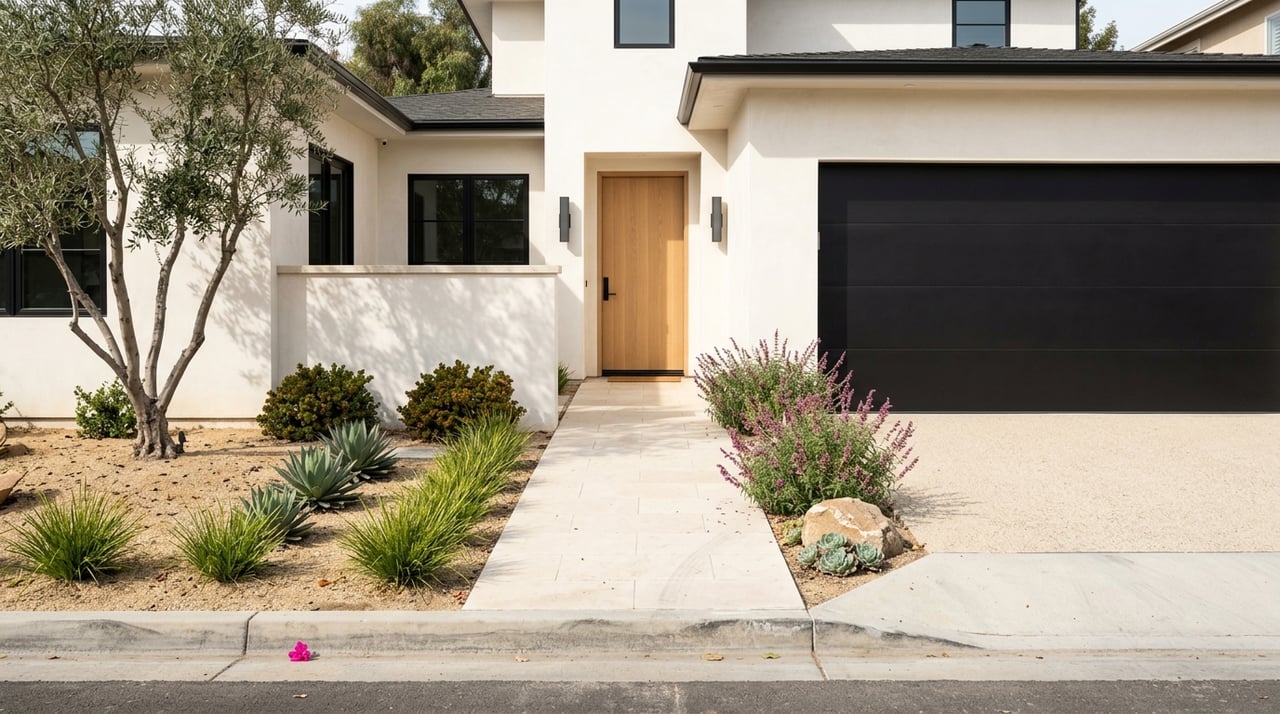
Newer single-family homes in Hemet are often shaped by city design guidelines that emphasize front doors and porches, living areas that are more prominent than the garage, and pedestrian-friendly circulation. Approved architectural themes include Mediterranean, Spanish, Prairie, Craftsman Bungalow, and Victorian.
The city also calls for homes to be in scale and proportion with lot sizes, along with consistent roof materials. That helps explain why newer neighborhoods often feel more cohesive and visually planned.
What buyers often like most
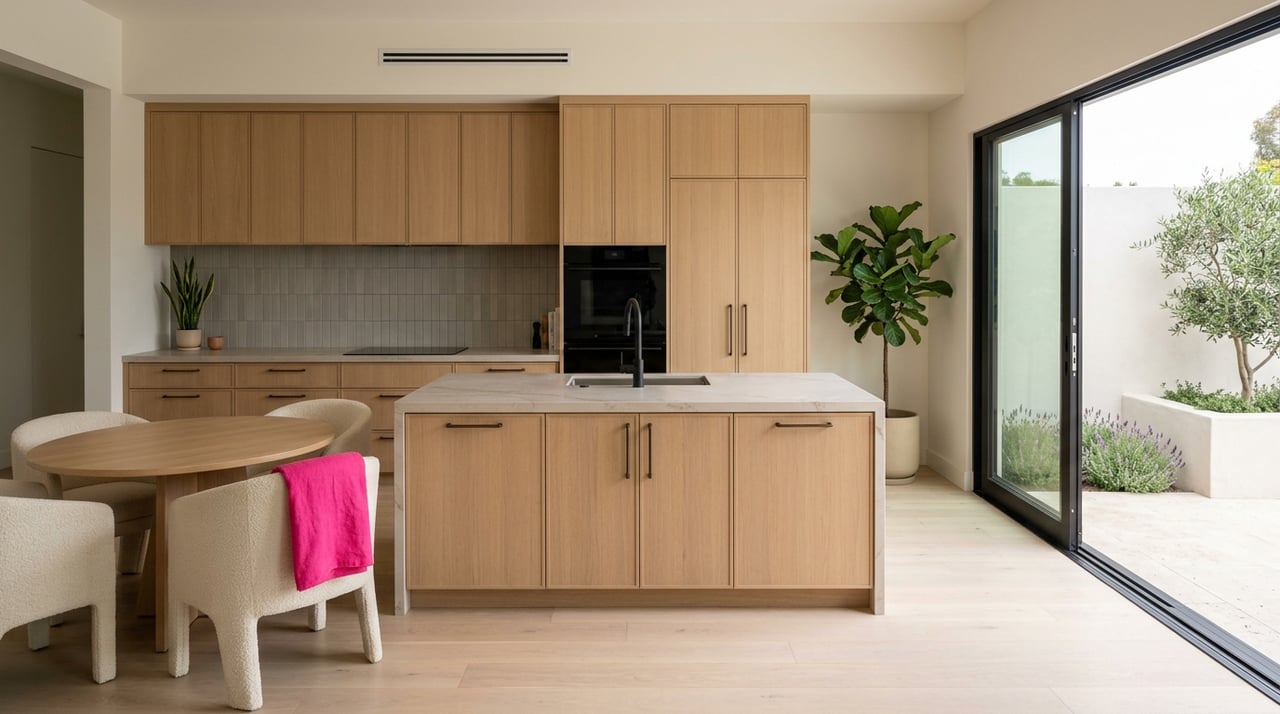
If you want a home that feels more standardized, newer tract homes usually deliver that. Layouts often match current expectations more closely, and planned communities can feel easier to compare because the homes tend to share a more consistent design language.
Recent planning materials also emphasize durable materials suited to the local region or climate zone. Newer residential design guidance highlights smart wiring, energy efficiency, and water efficiency, which are all important in Hemet’s Climate Zone 10.
Lot size and neighborhood feel
Newer Hemet homes do not always sit on the same type of lots as older homes. Current single-family zoning standards set minimum net lot areas of 5,000 square feet in R-1-5 and 7,200 square feet in R-1-7.2, while planned unit development standards can allow narrower parcel shapes with a minimum lot width of 24 feet and 20 feet of frontage.
For you as a buyer, that means some newer neighborhoods may feel more compact and intentionally planned. Depending on your priorities, that can be either a plus or a drawback.
Vintage Vs. Newer Builds In Hemet
| Feature | Vintage Homes | Mid-Century Homes | Newer Builds |
|---|---|---|---|
| Typical appeal | Character and historic detail | Balance of style and function | Standardized layouts and current design expectations |
| Common look | Bungalows with porches, wide eaves, exposed rafters | Ranch homes with patios, larger glass areas, open feel | Cohesive streetscapes with planned architectural themes |
| Layout feel | More varied, less predictable | Broad and practical | More consistent and easier to compare |
| Maintenance outlook | Higher chance of aging systems | Varies by updates and upkeep | Often aligned more closely with current efficiency goals |
| Lot and planning pattern | Often older infill settings | Established neighborhoods | More intentionally planned, sometimes more compact |
How Climate And Durability Matter In Hemet
Style matters, but performance matters too. Hemet’s design information lists Climate Zone 10, Seismic Zone E, and zero snow load, which makes cooling performance, overall durability, and building condition especially important when comparing homes.
Whether you are touring a bungalow or a newer tract home, it is smart to look closely at how the house handles heat, how well major systems have been maintained, and how durable the materials appear. In Hemet, that practical side of ownership can have just as much impact as curb appeal.
Budgeting For Older Versus Newer Homes
A lower purchase price on an older home does not always mean lower total cost. Hemet’s housing element notes that homes older than 30 years may need major rehabilitation, including roof, foundation, or plumbing work.
The city also points to local repair needs through its Housing Division, which manages grants for critical home repairs for senior citizens and disabled low-income owner-occupants. That local context is a reminder that repair planning is part of real ownership in Hemet, especially with older housing stock.
If you are comparing homes across eras, think beyond the monthly payment. Consider likely maintenance timing, the condition of major systems, and whether you would rather pay for updates over time or aim for a home that aligns more closely with current standards from day one.
Which Hemet Home Style Fits You Best?
If you love architectural character and do not mind a little unpredictability, a vintage Hemet home may be the right fit. If you want a blend of personality and usability, a ranch-era home may give you the best balance.
If your top priorities are consistency, current design expectations, and a more planned neighborhood feel, a newer build may make the most sense. There is no one right answer. The best choice depends on how you weigh charm, maintenance, layout, lot size, and long-term goals.
With more than 25 years of local real estate experience, Saundra Stormer helps buyers and sellers make sense of choices like these with clear advice and steady guidance. If you are comparing home styles in Hemet or preparing to sell a property, connect with Saundra Stormer for personalized support.
FAQs
What are the most common older home styles in Hemet?
- Hemet’s most common historic house types are Craftsman Bungalows and vernacular bungalows, often recognized by low-pitched gabled roofs, wide eaves, exposed rafters or beams, and deep porches.
Are mid-century homes common in Hemet?
- Yes. Hemet has a large share of homes built from the 1960s through the 1980s, and ranch-era homes are an important part of that mix.
Do newer homes in Hemet usually have smaller lots?
- Some newer planned neighborhoods may have more compact parcel shapes because current standards can allow narrower lots in certain planned developments.
What should buyers check in older Hemet homes?
- Buyers should pay close attention to roof condition, plumbing, foundation issues, cooling performance, and the overall condition of older systems and past remodels.
Is Hemet a good place to compare different home eras?
- Yes. Hemet’s housing stock includes prewar homes, postwar homes, and early-2000s neighborhoods, so buyers often have the chance to compare very different home styles within the same city.