Thinking about selling your Temecula home but not sure where to start? You are not alone. Between disclosures, pricing, staging, and timing, there is a lot to juggle if you want a smooth sale and a strong result. In this guide, you will learn what Temecula buyers expect, the key legal and financial steps in California, and a clear plan to prepare, market, and negotiate your sale with confidence. Let’s dive in.
Know Temecula buyers and timing
Who is shopping in Temecula
Temecula attracts a mix of buyers. You will see local families who value parks and yard space, commuters who want value compared to coastal counties, move-up buyers seeking more room, and retirees who prefer low-maintenance living near wine country amenities. Investors and cash buyers also enter the market at times when rental demand or special opportunities appear.
What features stand out
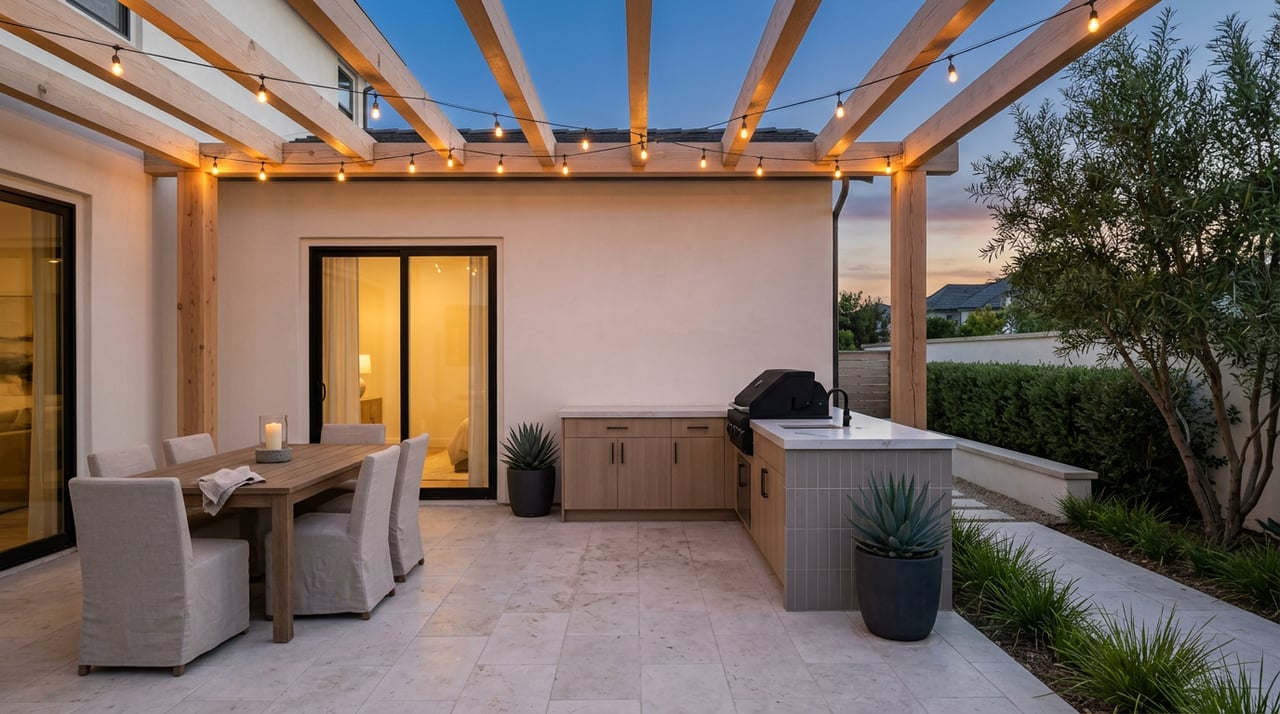
Buyers look for outdoor living spaces, usable yards, and comfortable areas to entertain. Pools and shaded patios are popular in warm months. Views, privacy, and easy access to amenities can add appeal, especially near wine country and golf areas. In master-planned communities, buyers expect modern finishes and clear HOA details.
Seasonality and showing strategy
Spring is often the busiest season with more listings and more buyer traffic. Late fall and winter can be slower, though you may face less competition and meet more motivated buyers. In hot weather, plan showings for cooler parts of the day and highlight efficient cooling systems and shaded outdoor areas in your marketing.
California disclosures and local costs
What you must disclose
In California, you must provide a Transfer Disclosure Statement that covers the property’s condition. A Natural Hazard Disclosure report helps buyers understand state-mapped hazards like flood zones, fire hazard severity zones, and earthquake fault zones. Homes built before 1978 require a lead-based paint disclosure. If your home is in an HOA, you must provide governing documents, CC&Rs, financials, and any required resale disclosures. Always disclose known material facts such as structural defects, pest issues, or unpermitted work.
Special taxes and assessments
Property taxes in California follow Proposition 13 rules, and the assessed value typically resets when a property changes ownership. Some Temecula-area neighborhoods include Mello-Roos or other special assessments that affect ongoing costs, so confirm and disclose these details early. Transfer taxes vary by jurisdiction, so plan for any applicable city or county requirements during escrow.
Typical seller costs and escrow timeline
Seller costs often include listing and buyer agent commissions, escrow and title fees, transfer taxes if applicable, potential repairs or credits, marketing and staging, and prorated property taxes and utilities. Commission structures vary by market and are negotiable. Escrow in California commonly runs 30 to 45 days, though you can negotiate shorter or longer timelines based on your goals and buyer financing.
Prep checklist to win your first weekend
Pre-listing inspection and smart fixes
A pre-listing inspection is optional, but it can help you uncover issues to address before you go live. Prioritize safety and obvious defects like roof leaks, plumbing or electrical problems, termite activity, and HVAC failures. Then focus on simple cosmetic updates that deliver strong value, such as neutral paint, refreshed flooring in high-traffic areas, and updated lighting. Gather permits for past work, and if any upgrades were unpermitted, consult a licensed professional and disclose clearly.
Staging, photos, and tours
Showcase the lifestyle Temecula buyers want. Stage your patio with a dining setup, add shade and soft lighting, and keep the pool clean and running if you have one. Inside, declutter and depersonalize to let rooms feel open and functional. Professional photos, a floor plan, and a virtual tour are now standard and help your listing stand out to out-of-area buyers.
Curb appeal and fire-safe landscaping
First impressions matter. Power-wash the driveway, tidy the entry, trim trees and shrubs, and consider drought-tolerant plants that fit Southern California. Address paint touch-ups and make sure house numbers and the mailbox look sharp. If your property sits near higher fire-risk zones, create a tidy, defensible area around structures and keep records of any compliance measures.
Pricing strategy for Temecula
Build a data-backed price
A Comparative Market Analysis compares recent closed sales, active listings, and pending properties that match your home’s size, features, and location. Your pricing should reflect upgrades, lot size, views, and local neighborhood nuances. Buyers will compare your home to nearby sales, so lean on the most relevant comps and current inventory.
Three pricing plays
- Market-value pricing: list at current value to attract qualified buyers without leaving money on the table.
- Attention-grabbing pricing: list slightly below market to spark strong early interest and potential multiple offers when inventory is tight.
- Premium pricing: list above market only if your home offers unique, provable value like exceptional views, significant upgrades, or a special lot.
Positioning by neighborhood type
- Old Town: market walkability and the historic district lifestyle. Expect smaller lots and highlight thoughtful interior updates.
- Master-planned communities: showcase community parks and pools, interior finishes, and provide complete HOA documents.
- Wine-country and hilltop homes: feature privacy, views, and outdoor entertaining spaces. Consider aerial images if appropriate.
- Acreage and horse properties: confirm fencing, access, water sources or agreements, and septic details. Buyers will want clear information and maintenance records.
Marketing that reaches the right buyers
Messaging that resonates
Link your home’s best features to the local lifestyle. Highlight proximity to Old Town dining, wineries, parks, and commuter routes. Emphasize outdoor living, flexible work-from-home spaces, and energy-efficient systems that keep the home comfortable through the seasons.
Channels and showing plan
Your listing should appear in the regional MLS and across major digital channels your agent utilizes. Use targeted social media and email outreach to reach likely buyer groups, including families, commuters, and downsizers. Well-timed open houses can help walkable areas and homes with great outdoor space perform well. Follow fair housing rules and coordinate a showing schedule that protects your time while maximizing exposure.
Handling offers, repairs, and appraisals
Compare net, not just price
When offers arrive, look beyond the headline number. Weigh contingencies, the closing timeline, earnest money, and the strength of the buyer’s approval. Flexible terms like shortened contingency periods or a rent-back can sometimes beat a slightly higher price.
Inspections and termite
Expect a general home inspection and, often, separate reports for termite, roof, or pool systems. You can choose to complete repairs, provide a closing credit, or negotiate a price adjustment. Termite findings are common in Southern California, so be ready to address treatment or negotiate a credit with clear documentation.
Appraisal gap choices
If the appraisal comes in low, you have several paths. You can reduce the price to the appraised value, ask the buyer to cover the difference in cash, or provide stronger comparables to challenge the appraisal through the lender’s process. All-cash offers reduce appraisal risk and can be worth serious consideration.
Closing and move-out checklist
Escrow coordinates funds, prorations, title, and HOA transfers. Ensure the property condition matches the agreement for the final walkthrough, often 24 to 48 hours before closing. Plan ahead to transfer utilities, and set aside keys, garage remotes, gate fobs, warranties, and any manuals for the buyer.
Quick seller documents checklist
- Transfer Disclosure Statement
- Natural Hazard Disclosure
- HOA resale packet and governing documents if applicable
- Permits or occupancy certificates for renovations
- Appliance manuals and service records
- Recent utility bills and property tax statements
- Any septic, well, or water agreement records if applicable
When a pre-listing inspection helps most
Consider a pre-listing inspection if your home has older systems, recent unpermitted work, or features like a pool or septic that buyers will inspect closely. Getting ahead of repairs can help you set clearer expectations, reduce surprises during escrow, and position your home more competitively. If you do not plan to fix items, use the report to price and disclose confidently.
Your next step
A focused prep plan, smart pricing, and strong marketing can make all the difference in Temecula. If you want a tailored strategy, personalized staging guidance, and steady leadership through negotiations and escrow, connect with a trusted local advisor. With 25+ years of experience and 450+ closed transactions, Saundra Stormer offers boutique, high-touch service backed by modern marketing to help you list with confidence.
FAQs
How long does it take to sell a home in Temecula right now?
- Timelines vary by price point, condition, and inventory; many sellers plan for a 30 to 45 day escrow once under contract.
What disclosures are required when selling a Temecula home?
- You must provide a Transfer Disclosure Statement, a Natural Hazard Disclosure, a lead-based paint disclosure for pre-1978 homes, HOA documents if applicable, and all known material facts.
How should I price my Temecula home to attract buyers?
- Use a Comparative Market Analysis to price at or near market value, then consider slight adjustments based on inventory, upgrades, and your timeline.
What will it cost me to sell my home in California?
- Expect commissions, escrow and title fees, possible transfer taxes, prorations, and potential repair credits; exact amounts vary by property and negotiated terms.
Should I make repairs before listing or wait for buyer requests?
- Fix safety and obvious defects up front, then decide on cosmetic updates with your agent; you can address other items through credits or negotiated repairs after inspections.
How do Mello-Roos and HOA fees affect my sale?
- Buyers weigh total monthly costs, so disclose special assessments and HOA fees early to avoid surprises and build trust.
What if my appraisal comes in lower than the offer price?
- You can renegotiate price, ask the buyer to cover the gap, or challenge the appraisal with stronger comparables through the lender’s process.
When is the best time to list a home in Temecula?
- Spring often brings more buyers and listings, while late fall and winter can offer less competition; choose timing that fits your goals and local inventory.